If your students’ brains start to go as sleepy as the weather gets chilly, you’re not alone.
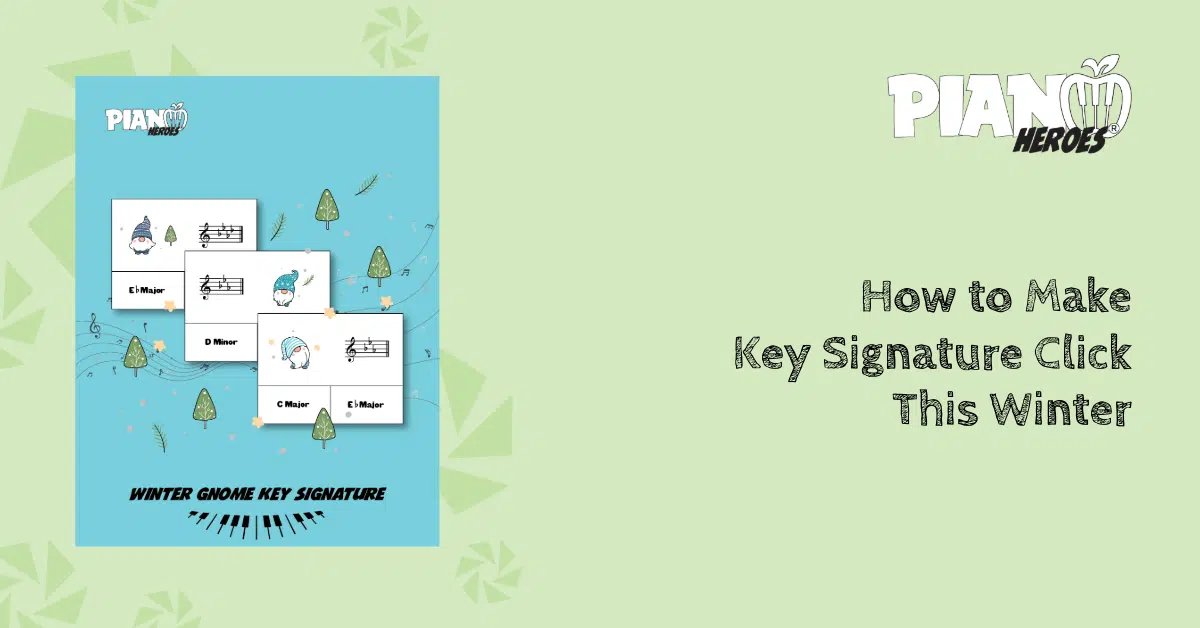
Winter is prime time for wiggly energy, short attention spans, and… lots of confused looks when you ask, “What key is this piece in?”That’s where Winter Gnome Key Signature Clip Cards come in — a super simple, print-and-go way to help students finally own their key signatures, without adding more prep to your plate.
Why Key Signatures Feel So Hard for Students
Key signatures ask students to juggle:
- Alphabet letters
- Sharps/flats
- Scales
- Major vs minor
- And the actual music on the page
For many kids, that’s a lot of abstract information with nothing concrete to do with it.
Clip cards change that. Suddenly, key signatures become:
- Something to touch (clip, point, circle)
- Something to play and move with, not just name
- A quick game instead of a theory lecture
Add in cute winter gnomes, and students forget they’re doing serious theory work at all.
What’s Inside the Winter Key Signature Clip Cards
The Winter Gnome set is designed to give students just the right amount of challenge without overwhelm. Inside the 7-page PDF, you’ll find:
- 🧊 16 winter-themed clip cards featuring charming gnomes
- 🎯 Major and minor key signatures with up to four flats
- 📄 Clear instructions for teachers, parents, and students
- ⭐ A score sheet so students can track progress and feel that “I did it!” win
They’re recommended for around RCM Level 3 and up (or any student at that stage in your method).
4 Easy Ways to Use Winter Key Signature Cards in Your Lessons
You don’t need to redesign your whole lesson to use these. Here are plug-and-play ideas you can drop into this week’s teaching.
1. Warm-Up: “Gnome of the Day”
- At the start of the lesson, pick 1–3 cards.
- Ask the student to:
- Name the key
- Tell you major or minor
- Play the scale or tonic chord on the piano
- Name the key
This takes just 3–5 minutes and sets a theory-focused tone for the rest of the lesson.
2. Off-the-Bench Theory Break
When you see focus fading, move off the bench:
- Spread a handful of clip cards on the floor or table.
- Give the student a stack of clothespins.
- Call out:
- “Find a minor key with 4 flats.”
- “Find a major key with 3 flats.”
- “Find a minor key with 4 flats.”
- They race to clip the correct answers.
This works beautifully with one student or siblings/partners sharing a lesson slot.
3. Group Class Relay
For small group lessons or studio classes:
- Divide students into two teams.
- Place a pile of Winter Gnome cards face down in the middle.
- One player from each team runs up, flips a card, identifies the key, and clips the answer.
- If it’s correct, they keep the card for their team.
- Most cards at the end wins.
You’ll get:
- Lots of repetition
- Built-in peer learning
- And a ton of giggles as kids cheer their teammates on
4. Sight-Reading Support
Use the cards to connect key signatures on a card to key signatures in real pieces:
Before starting a new piece, hold up a Winter Gnome card with the same key signature. Ask:
- “Which key is this?”
- “Is your piece in the same key or the relative?”
Then open the book and find that same key on the page. You’re teaching students to look at the key signature first, not last.
Adapting the Cards for Different Levels
Even though the set is ideal for RCM Level 3+, you can easily adapt it.
For Slightly Younger / Less Experienced Students
- Use fewer cards in a session.
- Focus first on just major keys, then introduce minor.
- Let them: Match the card to a written scale or find the tonic on the keyboard without naming the key yet. This way you’re laying a foundation without expecting instant recall.
For More Advanced Students
Challenge them by asking:
- “What’s the relative minor or major?”
- “What’s the dominant key in this key signature?”
- “Can you write the scale with correct accidentals?”
You can also time them to see how many they can clip correctly in 60 seconds.
Pairing With Other Resources
Winter Gnome Key Signature Clip Cards work beautifully alongside:
- Your regular method books (Piano Heroes or any other)
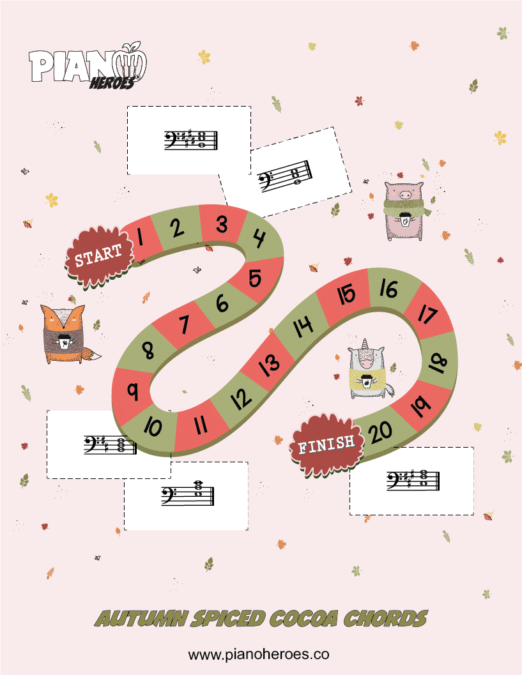
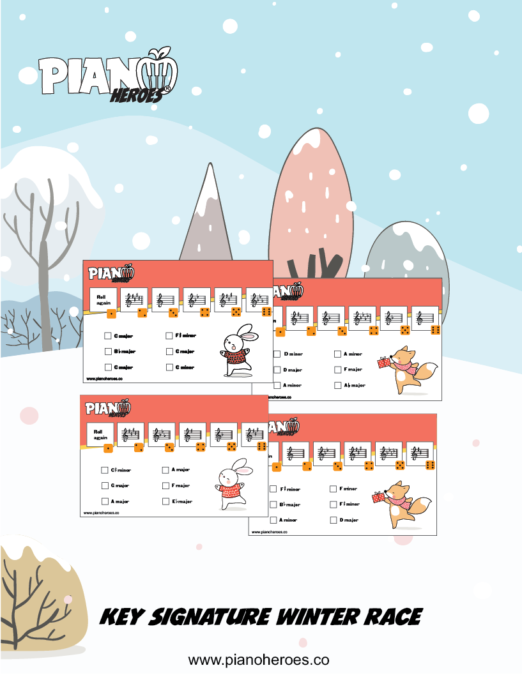
- Winter-themed key signature games and races
- Scale and chord challenges you’re already assigning
Think of them as a little winter theory station you can plug into any lesson.
More Resources
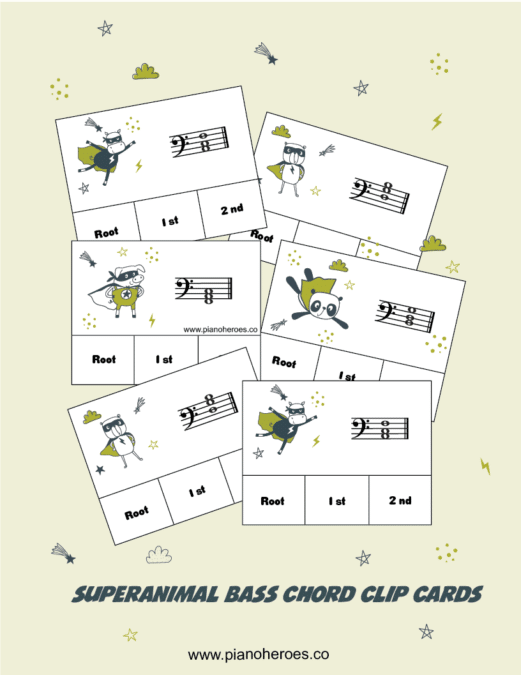
Ready to Give Your Students a Winter Key Signature Superpower?
If key signatures are a constant sticking point, you don’t need a whole new curriculum — just a more playful, visual, hands-on way to practise them. Pop them into this week’s lessons and watch your students start spotting and naming key signatures with way more confidence — and maybe a few gnome-themed giggles, too.
